
Introduction to Atma Nirbhar Bagwani Yojana (ANBY)
With its diverse agro-climatic zones ranging from sub-tropical foothills to temperate high altitudes, Arunachal Pradesh possesses unmatched natural advantages for temperate and sub-tropical fruit cultivation. To tap this potential and convert horticulture into a primary commercial driver, the Department of Horticulture launched the Atma Nirbhar Bagwani Yojana (ANBY).
Table of Contents
Like its agricultural counterpart, ANBY functions on a credit-linked 45% Government Subsidy, 45% Bank Credit, and 10% Beneficiary Margin model. The initiative focuses on high-value commercial crops—including kiwi, apple, walnut, orange, persimmon, large cardamom, and ginger—turning fallow mountainous slopes into profitable commercial orchards.
Program Overview and Financing Breakdown
| Parameter | Program Details |
|---|---|
| Scheme Name | Atma Nirbhar Bagwani Yojana (ANBY) |
| Nodal Department | Department of Horticulture, Government of Arunachal Pradesh |
| Financing Ratio | 45% State Subsidy : 45% Bank Loan : 10% Farmer Share |
| Focus Crops | Kiwi, Apple (low-chilling), Khasi Mandarin Orange, Walnut, Cardamom, Ginger |
| Eligible Beneficiaries | Individual growers, Horticulture SHGs, FPCs, and Cooperative Societies |
| Digital Platform | atmanirbharyojna.arunachal.gov.in |
High-Value Focus Crops & Technical Support
The scheme provides structured packages of practices, planting materials, and infrastructure:
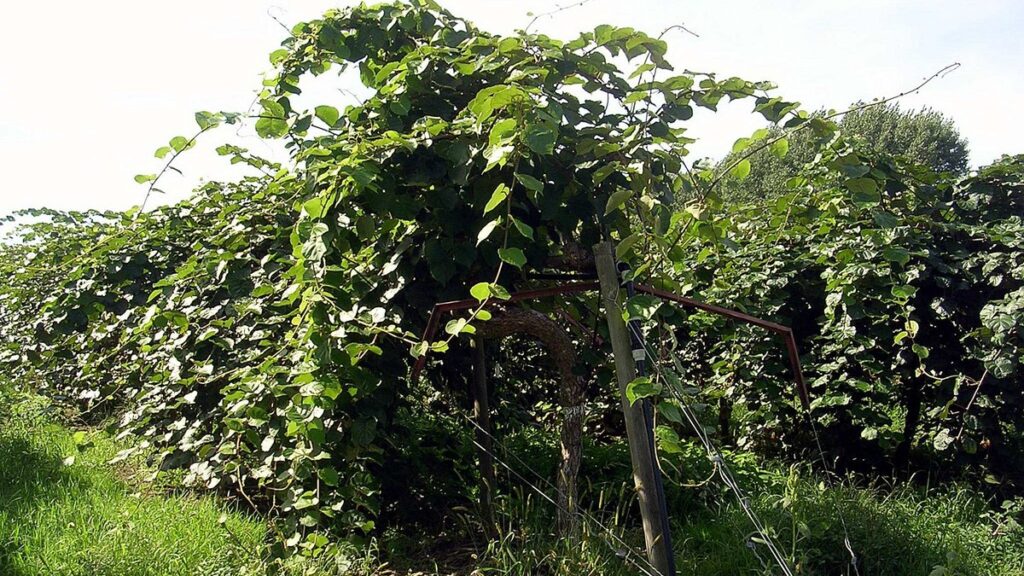
- Kiwi Plantation: High-density trellised kiwi orchards in Ziro, Dirang, and Lower Subansiri, including certified grafted rootstocks and micro-drip networks.
- Ultra High Density Apple (UHDA): Low-chilling temperate apple varieties suitable for West Kameng and Tawang, providing early harvest maturity.
- Organic Khasi Mandarin: Rejuvenation and new expansion of indigenous organic orange groves across Siang and Dibang valleys.
- Large Cardamom & Spices: High-yield shade-tolerant cardamom plantations in Anjaw, Changlang, and Lower Dibang Valley, supported with modern drying kilns.
Eligibility Criteria
To qualify for financial support under ANBY, applicants must satisfy the following conditions:
- The applicant must be a resident horticulturist of Arunachal Pradesh with valid APST or PRC status.
- The applicant must own or have undisputed long-term possession of suitable land (minimum 0.5 hectare up to prescribed project ceilings).
- The project location must conform to climatic suitability guidelines issued by the Department of Horticulture for the chosen crop.
- Applicants must have a clean credit history with commercial and regional rural banks.
- Horticulture cooperatives and Farmer Producer Companies must be formally registered under respective state cooperative acts.
Documents Required for Submission
Applicants should compile and upload the following documentation:
- Land Possession Certificate (LPC) indicating total area and village jurisdiction.
- Arunachal Pradesh Scheduled Tribe (APST) Certificate or PRC.
- Aadhaar Card and active bank account details.
- Detailed Project Cost Estimate endorsed by the District Horticulture Officer (DHO).
- Soil health card or agricultural feasibility certificate from the local horticulture development officer.
Application and Sanction Procedure
The entire workflow is transparent and monitored through an integrated digital pipeline:
- Digital Application: Apply via
atmanirbharyojna.arunachal.gov.in, selecting the Horticulture (Bagwani) tab. - Field Assessment: The Field Horticulture Officer conducts an on-site physical inspection to verify slope, water availability, and planting viability.
- District Level Committee Approval: The District Level Committee chaired by the Deputy Commissioner reviews the proposal and forwards approved lists to partner banks.
- Credit Release and Subsidy Settlement: The bank sanctions the credit line, the state transfers the 45% front-ended subsidy to the bank account, and certified saplings/inputs are supplied.
Frequently Asked Questions (FAQs)
1. Does the scheme provide fencing and trellis support for kiwi farming?
Yes. The standard project cost model for kiwi cultivation includes fencing materials, steel T-bars, and trellis wires necessary for supporting commercial kiwi vines.
2. Can an existing farmer apply to expand an old orchard?
Yes. ANBY accommodates both new orchard establishment and the scientific rejuvenation/expansion of existing underperforming fruit plantations.
3. How long is the repayment tenure for the bank loan component?
Horticulture loans under ANBY feature generous repayment moratorium periods (typically 3 to 5 years depending on the gestation period of the fruit tree) to allow the crop to reach commercial harvesting stage.
Disclaimer: JanSarkariYojna.com is an independent educational and public information portal. We are not affiliated with the Government of Arunachal Pradesh. Beneficiaries must verify all official notices and administrative criteria on the official state portal at horticulture.arunachal.gov.in.
Atma Nirbhar Bagwani Yojana 2026 Subsidy Pattern & Crops Covered
The Department of Horticulture, Arunachal Pradesh, supports commercial fruit orchard development under Atma Nirbhar Bagwani Yojana 2026 through structured financial components:
| Financing Component | Share Percentage | Beneficiary Role & Details |
|---|---|---|
| Government Subsidy | 45% Front-Ended Capital Grant | Directly credited to bank loan account by State Government |
| Institutional Bank Credit | 45% Bank Loan | Provided by SBI, Apex Bank, and commercial partner banks at subsidized interest |
| Farmer Contribution | 10% Margin Money | Equity invested by individual grower or Self Help Group (SHG) |
| Priority Crops | High-Density Plantations | Kiwi fruit, high-density Apple, Khasi Mandarin Orange, Persimmon, Walnut |
Step-by-Step Online & Offline Application Protocol
To enroll smoothly under Atma Nirbhar Bagwani Yojana 2026 and ensure immediate biometric verification and sanctioning, citizens should adhere to the following certified procedure:
- Access the Official Portal: Visit the official government portal (Department of Horticulture Arunachal Pradesh) to review designated scheme guidelines.
- Aadhaar Demographic Seeding: Confirm that your identity, age, and family relationships in your Aadhaar card match your registered state revenue records.
- Bank APBS Verification: Ensure your savings bank account is enabled for Direct Benefit Transfer (DBT) and mapped to the NPCI Aadhaar Payment Bridge.
- Document Upload: Scan and attach original supporting certificates (residence proof, caste certificate, land records or income proof) before submitting.
- Track Sanction Order: Use your registration acknowledgement ID to monitor application verification milestones through your local district portal.
Related Government Welfare Programs & Links
Explore other beneficial welfare initiatives and credit subsidies:
- Read our comprehensive guide on the Atma Nirbhar Krishi Yojana for financial grants.
- Check out the latest details regarding the Dulari Kanya Scheme 2026 for subsidy updates.
Frequently Asked Questions (FAQs) – Atma Nirbhar Bagwani Yojana 2026
What is Atma Nirbhar Bagwani Yojana 2026?
It is an innovative horticulture mission of Arunachal Pradesh providing a 45% government grant, 45% bank loan, and 10% farmer margin money to cultivate commercial fruit crops.
What is the maximum subsidy amount an individual farmer can receive?
An individual fruit grower can avail of subsidy support for projects up to ₹1.60 Lakh to ₹5 Lakh, while SHGs and FPOs can access up to ₹10 Lakh in project assistance.
Which horticulture crops receive priority under the scheme?
Kiwi, high-density temperate apples, citrus/oranges, large cardamom, and walnuts receive high priority.
Is land ownership proof mandatory?
Yes. Applicants must submit a Land Possession Certificate (LPC) or certified village council land allotment order.
Where should farmers submit their ANBY applications?
Applications must be submitted online through the unified state portal or physically at the local District Horticulture Officer (DHO) office.