


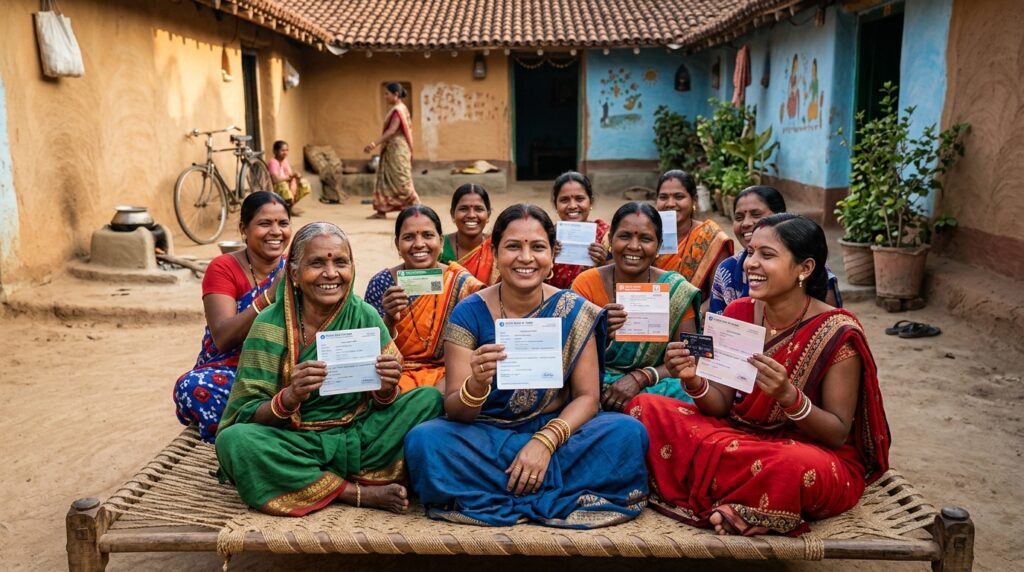
Introduction to Mukhyamantri Suposhan Abhiyan
Eradicating childhood stunting, wasting, underweight conditions, and chronic maternal anemia is fundamental to ensuring healthy human capital development in tribal and rural societies. In Chhattisgarh, the Women and Child Development Department alongside the Health Department implements the comprehensive Mukhyamantri Suposhan Abhiyan (MSA).
Table of Contents
Table of Contents
Designed as a targeted grassroots campaign, the initiative delivers supplementary nutritious cooked meals, boiled eggs, jaggery, and fortified micronutrients to children under five years of age as well as adolescent girls and women aged 15 to 49. Through decentralized community ownership and active Anganwadi monitoring, the Abhiyan has rescued hundreds of thousands of children from severe acute malnutrition (SAM) across the state.
Program Overview and Key Nutritional Interventions
| Target Beneficiary Group | Nutritional & Health Intervention Provided |
|---|---|
| Children aged 0 to 6 months | Promotion of exclusive breastfeeding and maternal lactation nutrition |
| Children aged 6 months to 3 years | Take-Home Ration (THR) + Hot cooked meals, boiled eggs / chikki, and micronutrients |
| Children aged 3 to 6 years | Daily hot cooked balanced lunch + Supplementary protein (egg/sprouts) at Anganwadi |
| Severely Malnourished Children (SAM) | Referral to Nutrition Rehabilitation Centers (NRC) + Special energy-dense nutrition |
| Adolescent Girls & Women (15 to 49 years) | Nutritious hot meals, iron-folic acid supplementation, and deworming therapies |
Community-Driven Decentralized Strategy
The Mukhyamantri Suposhan Abhiyan departs from traditional centralized schemes by empowering local communities:
- Local Dietary Customization: Menus are adapted to regional dietary preferences, incorporating local millets (kodo, kutki, ragi), pulses, drumstick leaves (moringa), and forest greens.
- Gram Panchayat & CSR Convergence: Gram Panchayats utilize District Mineral Foundation (DMF) funds and Corporate Social Responsibility (CSR) partnerships to finance daily protein supplements.
- Continuous Health Screening: Anganwadi workers, ANMs, and Mitanins conduct monthly Growth Monitoring using digital weighing scales and infantometers to track weight-for-age progress.
Eligibility Criteria
Access to Mukhyamantri Suposhan Abhiyan is universal across target age brackets:
- The child or woman must be a resident of the Anganwadi center catchment area in Chhattisgarh.
- All children aged between 6 months and 5 years identified as malnourished (underweight, wasted, or stunted) during growth monitoring.
- All adolescent girls and women in the reproductive age bracket of 15 to 49 years diagnosed with anemia (hemoglobin levels under 11 g/dL).
- No caste, income, or ration card barriers apply; universal enrollment is enforced at every Anganwadi.
How to Access Benefits at Local Centers
Enrolling in the nutrition program is seamless and community-driven:
- Monthly Vhnd Days: Visit the local Anganwadi Center during Village Health, Sanitation and Nutrition Days (VHSND).
- Growth Assessment: The Mitanin and Anganwadi worker record the child’s weight, height, and mid-upper arm circumference (MUAC), plotting the result on the Growth Chart.
- Enrolment in Meal Register: Identified malnourished children and anemic women are registered on the daily hot cooked meal and egg distribution roster.
- Clinical Referrals: Children exhibiting Severe Acute Malnutrition with medical complications are immediately referred to the nearest Community Health Centre or Nutrition Rehabilitation Centre (NRC) for free institutional recovery care.
Frequently Asked Questions (FAQs)
1. What options are provided for children who do not consume eggs?
For vegetarian children, Anganwadi centers provide nutritious plant-based protein alternatives such as peanut chikki, roasted soybean laddoos, sprouted pulses, and jaggery-fortified milk.
2. Is there any financial charge for the hot cooked meals or health tonics?
No. All supplementary meals, take-home rations, IFA syrups, and deworming medications provided under the scheme are 100% free of cost.
3. How can families track child progress?
Parents are provided with color-coded Growth Monitoring cards (Mother-Child Protection Cards) showing yellow (moderate) and green (normal) recovery zones as the child gains weight.
Disclaimer: JanSarkariYojna.com is an independent educational and public information portal. We are not affiliated with the Government of Chhattisgarh. Beneficiaries must verify all official notices and administrative criteria on the official state portal at cgwcd.gov.in.
For authentic application submissions, official guidelines, and verified notices, visit the departmental portal at WCD Department Chhattisgarh.
Mukhyamantri Suposhan Abhiyan 2026 Nutrition Interventions
The Women and Child Development Department executes nutritional enhancement under the Mukhyamantri Suposhan Abhiyan 2026 across categorized age brackets:
| Target Group | Nutritional Package Provided | Delivery Point & Schedule |
|---|---|---|
| Severely Underweight Children (0-5 Yrs) | High-protein energy-dense chikki, boiled eggs (6 days/week), milk | Anganwadi Centers & Nutrition Rehabilitation Centers (NRC) |
| Moderately Malnourished Children | Supplementary hot cooked meals, sprouted lentils, fortified khichdi | Daily feeding at Anganwadi centers |
| Anemic Women & Adolescent Girls (15-49 Yrs) | Iron-Folic Acid (IFA) supplements, nutritious hot meals, jaggery-peanut mix | Village Health Sanitation & Nutrition Days (VHSND) |
Mukhyamantri Suposhan Abhiyan 2026 District Implementation Architecture
The state-wide delivery network of the Mukhyamantri Suposhan Abhiyan 2026 involves coordinated execution across rural, tribal, and urban field formations:
| Administrative Tier | Operating Mechanism | Key Performance Indicators (KPIs) |
|---|---|---|
| Anganwadi Centers (AWCs) | Daily distribution of hot meals, eggs, and nutrient chikki | Monthly height and weight recording on POSHAN Tracker digital register. |
| Nutrition Rehabilitation Centers (NRC) | In-patient medical therapy for Severe Acute Malnutrition (SAM) children | Targeted weight gain protocols with 14-day residential care for mothers and infants. |
| District Mineral Foundation (DMF) Funding | Decentralized local financing for egg, milk, and fruit procurement | 100% saturation of nutrition coverage in mining and remote tribal blocks. |
Mukhyamantri Suposhan Abhiyan 2026 Community Monitoring & Helplines
Active community participation ensures that the benefits of the Mukhyamantri Suposhan Abhiyan 2026 reach every vulnerable child and anemic woman without administrative leakages:
- Suposhan Mitras & Mitanins: Grassroots community health volunteers conduct home visits to counsel nursing mothers on exclusive breastfeeding, dietary diversity, and sanitary hygiene.
- Departmental Grievance Toll-Free Number: Citizens can report non-supply of supplementary nutrition meals by contacting the CG WCD helpdesk at 1800-233-0008.
- Official Portal: Detailed nutrition analytics and district scorecards can be accessed via the state government web portal cgstate.gov.in.